
Sleep Your Way Across Borders with Smarter Overnight Routes

Tonight we explore night trains and long-distance coaches through the lens of sleep-optimized, transit-only itinerary planning. Learn how to convert travel hours into restorative rest, align departures with your body clock, minimize transfers at awkward times, and wake closer to your goals. We will compare rolling stock comfort, seat and berth strategies, booking quirks, station logistics, and healthy routines, so your pillow arrives wherever your passport leads. Share your tips and routes to enrich this evolving, traveler-powered guide.

Designing Itineraries That Let You Truly Sleep
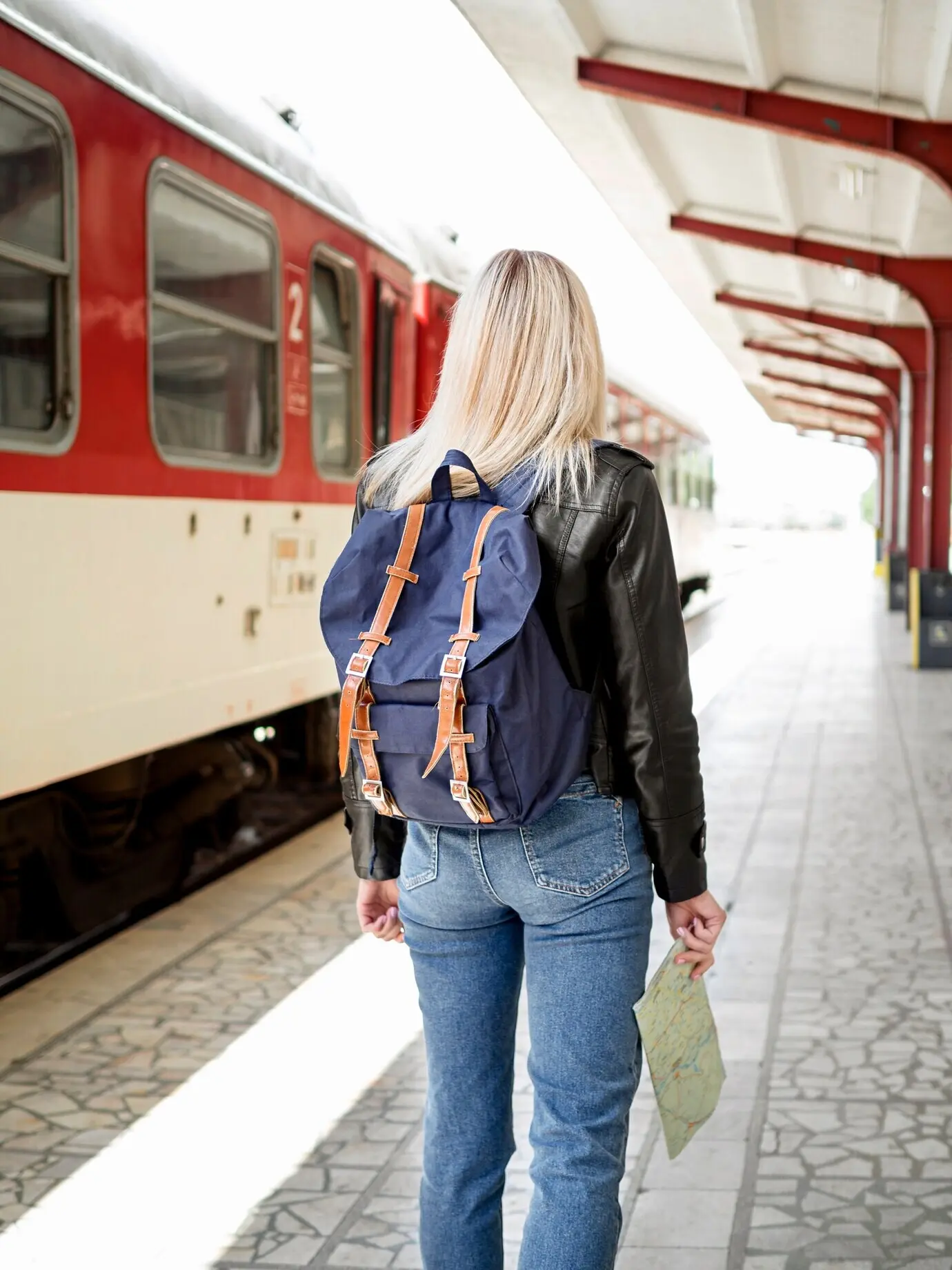
Building an overnight route begins with recognizing your chronotype, matching departures to natural sleep windows, and limiting disruptive transfers. Aim for long continuous legs, predictable station environments, and arrival times that align with showers, breakfast, and onward transit. Prioritize routes with proven punctuality and rolling stock known for quieter cabins, and be generous with buffers around border checks. Invite conversation by commenting with your best continuous sleeper combination and what made it genuinely restful.

Ride Quality and Motion Management

Steel rails can produce predictable motion, though track joints and switches may introduce jolts; modern coaches counter with air suspension but can sway with wind and traffic turbulence. Choose front or mid-carriage train berths to reduce coupling noise, or mid-coach seats to minimize axle bump. Eye masks and stable head position help your brain ignore micro-movements. What motion pattern helped you drift off quickest, and where did you place yourself relative to wheels, doors, or stairwells?

Sleeping Space: Geometry, Privacy, and Textiles

Berths offer horizontal sleep, privacy curtains, and sometimes linens, while coaches rely on deep recline, leg rests, and strategically layered clothing for warmth. Evaluate aisle versus window for disturbance, overhead airflow vents, and the angle preventing neck strain. Lightweight merino, compressible down blankets, and inflatable lumbar rolls radically change comfort. Describe the textile and geometry setup that transformed an average seat into a personal cocoon, and whether privacy measures like hooded scarves improved restfulness.

Booking Strategies and Fare Confidence

Overnight travel rewards early research: dynamic pricing favors advance purchase on popular routes, while last-minute seats may open after cancellations. Compare sleeper supplements, couchette classes, and premium coach tiers; price per hour of sleep can invert assumptions. Consider refundable fares for risky connections, and split-ticketing when schedules allow generous buffers. Use alerts, passes where applicable, and partner discounts. Tell us which booking tactic delivered the biggest rest-per-dollar improvements and how you safeguarded against missed connections.

Safe Transfers and Wayfinding Confidence

Use official station maps, street-view previews, and signage photos to learn layouts in advance. Favor platform changes via central concourses with staff presence, and keep valuables consolidated. For late-night exits, pre-schedule rides or identify regulated taxi ranks. If transferring outdoors, choose routes with lighting and visibility, avoiding closed passages. Tell us which wayfinding preparation most reduced stress—printable maps, offline apps, or hand-drawn sketches—and how you balanced caution with efficient movement through unfamiliar spaces.

Wind-Down Rituals You Can Do On the Move

Build a consistent pre-sleep routine adaptable to seats or berths: screen dimming, gentle stretching, hydration moderation, and a calming audio track. Write a quick next-day plan to offload rumination. Pack a small pouch with mask, plugs, lip balm, and facial wipes for a spa-like reset. Share the ritual that helps your nervous system switch from transit mode to rest mode, and whether timing it relative to departure or lights-out mattered more for you personally.

Morning Arrivals and Productive Starts

Aim to arrive near showers, co-working spaces, or breakfast spots that open early. Keep a compact grooming kit and a change of clothes accessible, not buried. Stretch, hydrate, and expose yourself to daylight quickly to lock the wake signal. Plan a gentle first task rather than an immediate sprint. Tell us the arrival sequence that makes you feel polished and ready, including your favorite terminal cafes, lockers for quick swaps, and realistic buffer before meetings or sightseeing.

Health, Comfort, and Recovery on the Road

Sleep-optimized travel respects circadian rhythm, nutrition, and micro-movements. Avoid heavy meals close to boarding; sip water steadily, space caffeine thoughtfully, and consider a small carbohydrate snack that encourages sleepiness. Pack a minimalist sleep kit, dress in breathable layers, and stretch hips, neck, and calves. Anchor your morning with light, protein, and gentle activity. Invite others to share evidence-backed tips that improved their nighttime rest and next-day clarity without relying on heavy sedation or unrealistic routines.

Food Timing, Hydration, and Stimulants

Aim for a balanced early dinner, avoiding late spicy or heavy meals that can disturb sleep. Carry water but pace intake to reduce nighttime restroom trips, especially on coaches with limited facilities. Time caffeine for afternoon focus, not late-evening alertness. Some travelers benefit from magnesium or herbal teas; consult professionals as needed. Share your most reliable nutrition pattern that preserved both comfort and deep sleep, including portion sizes, snacks, and what you deliberately skipped after boarding.

Compact Sleep Kit That Punches Above Its Weight

A contoured eye mask, soft silicone earplugs, inflatable neck support, thin scarf, and lightweight travel sheet can transform conditions. Add sanitizer, tissues, and a few adhesive cable clips to tame wires. Store everything in a quick-grab pouch to avoid rummaging in dim light. Describe the single small item that made the biggest difference—was it a pillowcase for scratchy linens, or a clip that held curtains shut against corridor glow and passing station lamps?

Micro-Exercises and Circadian Anchors

Before settling in, perform gentle mobility for hips, thoracic spine, and calves to reduce fidgeting. Upon waking, step into daylight and sip water to reinforce your clock. If crossing time zones gradually, shift bedtime thirty minutes nightly. Use calm breathing to smooth heart rate and motion discomfort. Tell us which tiny movement or timing cue gave you disproportionate benefits, and how you avoided overexertion that would otherwise raise body temperature and delay sleep onset unexpectedly.

Real Itineraries, Lessons, and Easy Wins

Practical stories make advice memorable. Consider a continental connection stitched by sleepers, a budget-first chain of coaches, or a mixed route balancing comfort and price. We highlight planning logic, not just cities, so you can transpose the method anywhere. Share your own routes, notes from mishaps, and the seemingly small choices—seat numbers, snack timing, curtain hacks—that turned average nights into genuinely restorative journeys. Your detailed comments help everyone refine future plans with fewer surprises and smoother mornings.
Zelutixatafevikuvo
Privacy Overview

This website uses cookies so that we can provide you with the best user experience possible. Cookie information is stored in your browser and performs functions such as recognising you when you return to our website and helping our team to understand which sections of the website you find most interesting and useful.