
Seamless Borders: Mastering Multi-Country Bus and Rail Journeys
Today we dive into border-crossing strategies for multi-country bus and rail trips with step-by-step route examples that work in real life. Expect practical timing tactics, document tips, and field-tested itineraries across Europe, Southeast Asia, and South America to help you travel confidently, avoid common snags, and enjoy the journey between every stamp.
Timing Crossings and Building Reliable Connections
Borders rarely align with ideal timetables, so intelligent buffers, flexible tickets, and trustworthy data sources make all the difference. Learn how to sequence buses and trains to favor success, when to cross by day or night, and why padding transfers beats sprinting between platforms when a queue surges or a schedule shifts without warning.
Buffer windows that save the day
Instead of chaining tight transfers, build generous buffer windows at border towns or interchange hubs. This reduces stress, protects you from immigration lines, and offers time for currency exchange or snacks. A 60–120 minute window often turns chaos into calm and gives you options when a bus lingers at a checkpoint or a platform changes suddenly.
Day versus night: choosing your window
Night buses and sleepers feel efficient, yet some borders close offices, limit staff, or pause stamping during shift changes. Day crossings offer visibility, open counters, and more frequent onward services. Consider daylight for complex immigration procedures and night travel for domestic hops afterward, balancing rest, safety, and the reliability of your next connection.
Real-time tools and station scouting
Timetable apps and operator feeds help, but station scouting adds certainty. Walk the route between bus bays and train platforms the moment you arrive. Snap photos of signboards, check restroom locations, and confirm departure gates. This small recon pays off later when a crowd swells and minutes matter more than you expect.
Visas, Documents, and Border Formalities Without Drama
Documents set the rhythm of overland travel. Understand entry rules, eVisa lead times, and proof-of-funds requests, and print or save offline copies. Backup everything in cloud storage, carry extra passport photos, and know which borders require exiting one office before walking or busing to the next. Preparation turns tense moments into predictable routines.

Schengen, non-Schengen, and the fine print
In Europe, calculate days in Schengen precisely, including time spent on trains that cross at night. Keep evidence of accommodation and onward travel. Non-Schengen neighbors may ask additional questions or stamps at separate windows. When unsure, arrive early and be polite; respectful clarity shortens conversations and helps officers feel comfortable approving your entry.
eVisas, photos, and fees at the window
Some borders accept eVisas only when printed, others are happy with PDFs. Bring spare passport photos and small bills for visas-on-arrival. Card terminals sometimes fail; a tiny stash of clean currency prevents delays. Keep receipts and note validity periods, because overstaying a single day can complicate future crossings and derail carefully sequenced connections.
Proof of onward travel that actually works
Officers may ask for onward tickets even when open-ended plans feel thrilling. Consider refundable fares, low-cost fully cancelable bookings, or reputable onward-ticket services with verifiable confirmations. Store copies offline and align dates with visa allowances. Clear, consistent documentation often shortens inspections and lets you catch that tight regional train without last-minute scrambling.
Europe on Wheels and Rails: Three Practical Border Routes
Europe rewards planners with dense networks and dependable operators. These step-by-step examples combine buses, ferries, and trains to stitch countries together smoothly. Expect small station transfers, recognizable brands, and local quirks—like afternoon siestas or platform updates in the final minutes—that reward early arrivals and flexible, well-buffered schedules.

Lisbon to Tangier via Seville and Algeciras
Ride an early train or bus Lisbon–Seville, then continue to Algeciras for the frequent ferry to Tangier. Buy ferry tickets in person for flexibility, and allow time for Spanish exit and Moroccan entry checks. In Tangier, trains connect onward to Rabat and Casablanca. Daylight crossing favors smoother boarding and easy orientation on arrival.
Berlin to Lviv via Wroclaw and Krakow
Take Berlin–Wroclaw–Krakow by train, enjoying frequent services and reliable announcements. From Krakow, continue by overnight or daytime train or bus toward the Ukrainian border, allowing generous time for inspection queues. Seasonal demand varies, so secure reservations early. Pack snacks, keep documents ready, and expect longer checks during holidays or heightened security periods.
Milan to Zagreb via Trieste and Ljubljana
Travel Milan–Trieste by train, then hop to Ljubljana before the final leg to Zagreb. Trieste’s walkable connections simplify transfers, and Slovenia’s rail offers scenic pacing. Buy seat reservations where available, and keep cash for small station kiosks. Arrive early in Zagreb, as local trams and taxis spread easily from the central station.
Southeast Asia Crossings You Can Actually Do This Month
Southeast Asia mixes ultra-frequent buses with expanding rail corridors and lively borders. These examples emphasize daylight crossings, reputable operators, and realistic buffers. Expect warm welcomes, bustling queues, and occasional surprises like lunch breaks at immigration windows or sudden rainstorms that slow baggage checks and muddy the walk between posts.
Andes and Beyond: Overland Links That Reward Patience
Altitude, weather, and breathtaking scenery define these South American journeys. Borders can pause during storms, so flexible tickets and warm layers belong in your daypack. You will meet helpful drivers, discover mountain markets, and learn that leaving at dawn often outsmarts both wind patterns and unpredictable lunchtime immigration closures.
Tickets, Money, and Booking Tactics Across Borders
Booking across jurisdictions can be messy, so combine operator websites, aggregators, and station counters. Carry multicurrency cards, small bills, and screenshots of tickets for offline checks. When segments do not sell together, split bookings with sensible layovers. Flexibility often beats the cheapest fare when delays ripple across a full day.
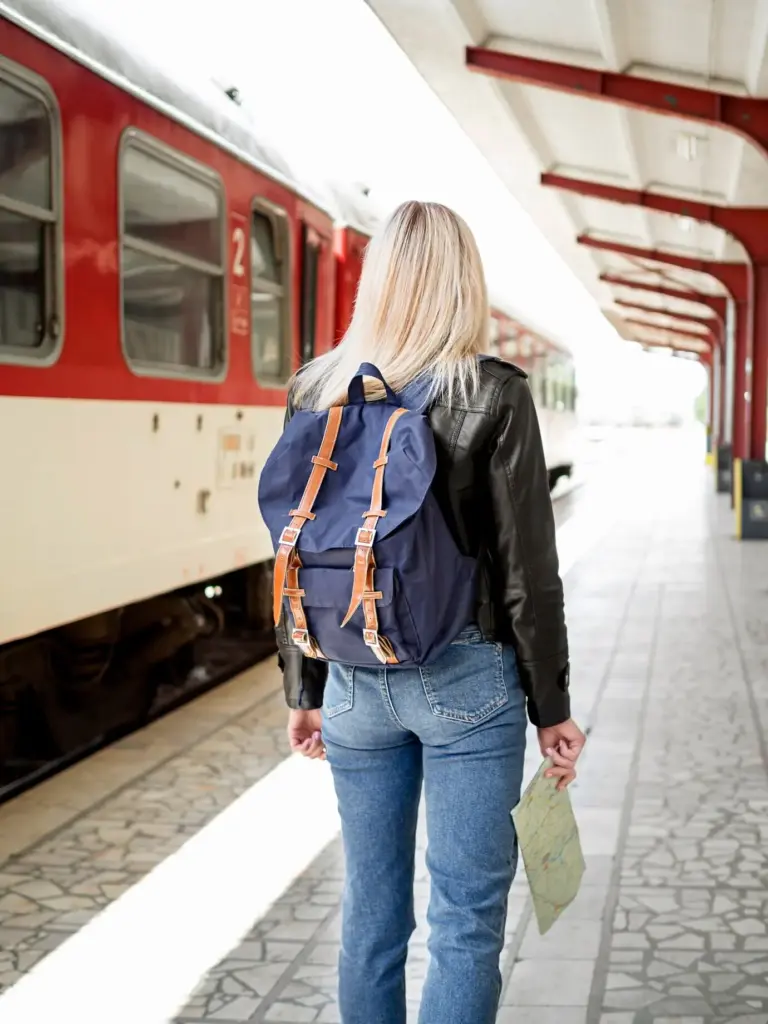
Cross-border ticketing quirks and workarounds
Some operators cannot sell international segments online, while others price them oddly. Compare separate legs, try nearby departure stations, and watch for promotional codes. If a through-ticket fails, book two linked segments with a protective buffer. Keep everything saved offline, and ask station staff to stamp or annotate changes for clarity.

Currencies, fees, and smart cash stashes
ATMs near borders sometimes charge higher fees or run dry during holidays. Withdraw earlier in major towns and hold small notes for visas, snacks, and local buses. A backup card, offline PIN knowledge, and emergency USD or EUR notes add resilience when exchange booths close or an unexpected fee appears at the window.
All Rights Reserved.