Rolling the World by Rail, Bus, and Ferry
Blueprints for a Confident Journey
Map smarter, transfer easier
Begin with a corridor view rather than isolated segments, then shape realistic transfer windows that consider elevator locations, platform distances, and potential delays. Build backups near stations with accessible bathrooms and cafés. Add overnight waypoints before long crossings, and prefer hubs with proven assistance teams. This approach delivers calmer pacing, better energy management, and space for restorative breaks when you need them most.
Trustworthy information sources
Cross-check official accessibility pages from rail operators with community reports, disability travel forums, and mapping projects that tag elevators, curb cuts, and ramp gradients. Email carriers to confirm lift availability and dimensions. Screenshot confirmations and save them offline. When details conflict, prioritize direct written responses and document names, times, and policies. Reliable, layered information turns uncertainty into clear, practical decisions along complex routes.
Gear, batteries, and daily rhythm
Match your equipment to the longest, least predictable segments. Carry chargers, plug adapters, extension leads, and a compact tool kit. For powered chairs, verify airline-style lithium policies on ferries and coaches. Pack weatherproof layers, seat cushions, and moisture protection. Schedule meals around transport windows, and build a daily rhythm that respects energy, hydration, and rest. Consistency keeps enthusiasm high and problem-solving easier.

Rails That Welcome Every Wheel
Buses Without Barriers
Intercity coach realities
Before booking, confirm lift functionality, maximum wheelchair weight, and securement standards. Ask whether you can remain seated in your chair and how many spaces exist. Request curb-side boarding locations with shelter and lighting if traveling at night. Keep the company’s accessibility hotline handy. When everyone is aligned on expectations, boarding becomes efficient, seating feels dignified, and the miles unfold with relaxing predictability.
Regional and rural lifelines
Before booking, confirm lift functionality, maximum wheelchair weight, and securement standards. Ask whether you can remain seated in your chair and how many spaces exist. Request curb-side boarding locations with shelter and lighting if traveling at night. Keep the company’s accessibility hotline handy. When everyone is aligned on expectations, boarding becomes efficient, seating feels dignified, and the miles unfold with relaxing predictability.
When plans change gracefully
Before booking, confirm lift functionality, maximum wheelchair weight, and securement standards. Ask whether you can remain seated in your chair and how many spaces exist. Request curb-side boarding locations with shelter and lighting if traveling at night. Keep the company’s accessibility hotline handy. When everyone is aligned on expectations, boarding becomes efficient, seating feels dignified, and the miles unfold with relaxing predictability.
Ferries: Rolling Over the Water
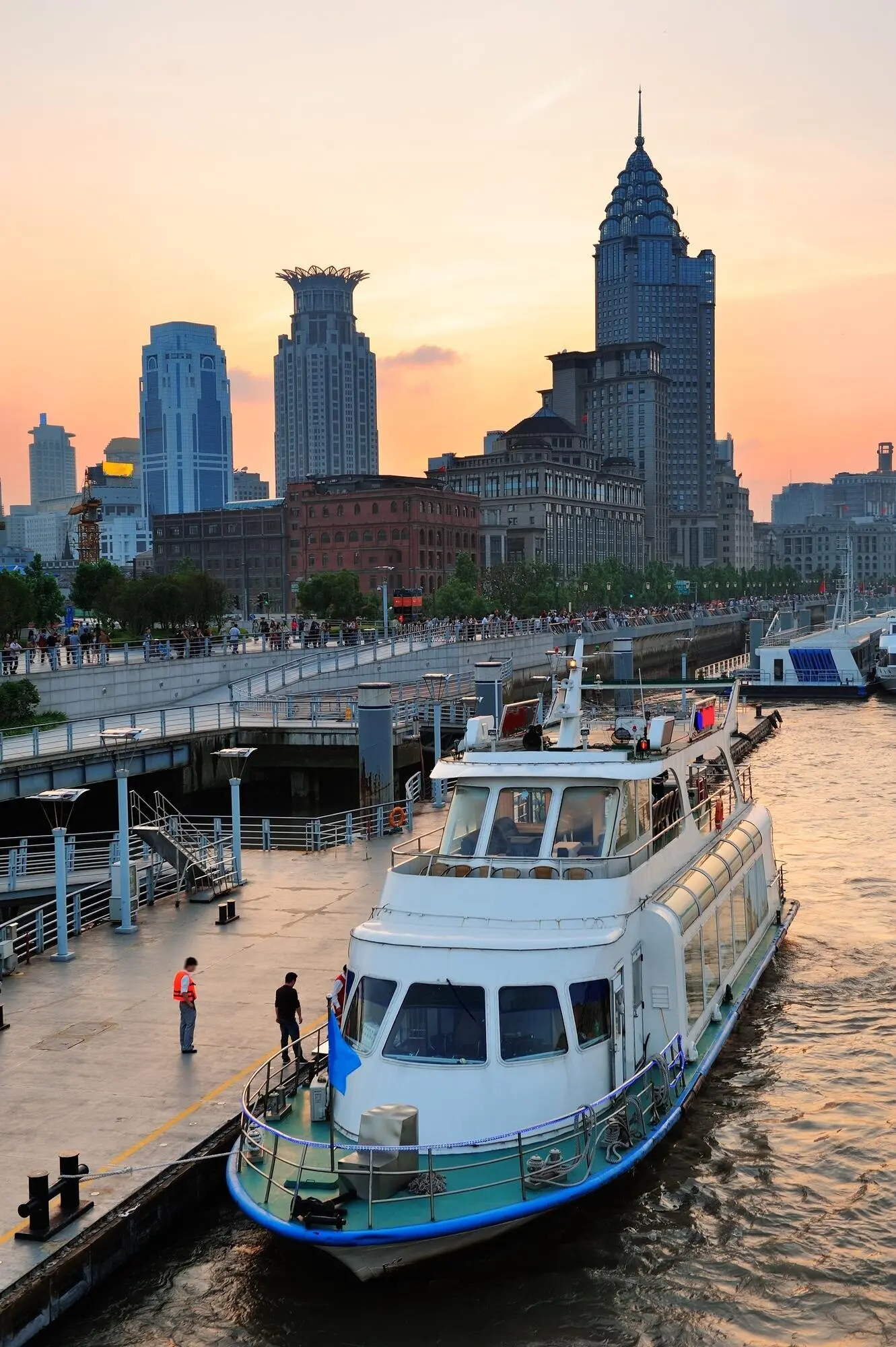
Ports, tides, and embarkation ramps
Ask ports about gangway gradients at different tide levels, and whether vehicle decks or passenger ramps are step-free. Confirm elevator access from entry level to lounges. Request priority boarding for safe maneuvering space. Photograph your chair and provide dimensions. Arrive early to avoid rush-hour bottlenecks. With tides accounted for and staff briefed, boarding becomes smooth, safe, and pleasantly unhurried.
Onboard life made practical
Choose lounges near accessible restrooms and elevators. If staying overnight, pre-book an accessible cabin with roll-in shower, lowered fixtures, and clear turning radii. Ask crew about dining room layouts and assistance carrying trays. Bring a charging plan and secure cables against vibration. The result is a relaxing mini-voyage where comfort, dignity, and ocean views travel in effortless harmony together.
Safety, assistance, and companions
Confirm muster station accessibility and alternative evacuation procedures. If traveling with an assistance dog, request relief area details and bring documentation. Share your preferred boarding method with crew in advance. Keep medications and personal essentials in a small, reachable bag. Preparedness does not remove spontaneity; it simply underwrites freedom, making sea crossings restorative, empowering, and genuinely memorable.
Tickets, Borders, and Regulations

A Sample Journey and Your Voice
Amsterdam to Lisbon without a car
Begin in Amsterdam with level-boarding trains to Brussels, then onward to Paris with assistance booked. Consider an accessible overnight to Hendaye, continue into Spain by accessible Cercanías and long-distance sets, pause in Porto via step-free stations, and finish in Lisbon using stations with lifts and verified ramps. Each link prioritizes dignity, predictability, and time for pastries, riverfront views, and friendly conversations.
Budgeting time and money realistically
Price accessible sleeper cabins early, compare coach options with guaranteed lifts, and calculate ferry cabin costs versus daytime lounges. Add cushion days to absorb disruptions without stress. Track local transit cards, museum discounts, and accessible taxi backup funds. Budget transparency protects spontaneity, allowing splurges on unforgettable meals and ensuring the entire itinerary remains flexible, comfortable, and delightfully sustainable.
Join the conversation and shape future routes
Share your successes, challenges, and favorite connections in the comments, and subscribe for route experiments across the Balkans, Scandinavia, North America, and island chains linked by ferries. Suggest stations to audit, buses to test, and crossings to celebrate. Together we refine practical knowledge, encourage operators to improve, and create a welcoming map that keeps expanding with every shared story.
All Rights Reserved.