
Sail, Ride, Repeat: Crafting Ferry‑First Journeys Across Island Chains
Choosing the Right Archipelago for Your Style

Seasons, Winds, and Sea Moods

Network Density and Frequency Reality

Tickets, Passes, and Timetables Without Tears
Onboard Life and Port Routines
Boarding, Stowing, and Finding Your Corner
Arrive early enough to watch the dance: trucks roll first, scooters zigzag, foot passengers file past clipped whistles. Follow baggage carts or observe where residents park grocery totes. Claim a wind‑sheltered nook with horizon views and shade. Courtesy matters—offer seats, share outlets, and keep aisles clear. Comfort blooms when everyone tends communal space, transforming steel decks into temporary neighborhoods afloat.
Cabins, Night Crossings, and Actual Rest
Night sailings feel timeless. Choose a berth when possible, or craft a cozy camp with an eye mask, warm layers, and light snacks. Secure valuables, set gentle alarms, and stretch on calm decks before sleep. Early arrivals grant empty promenades, dew on railings, and cafés opening with quiet pride. Well‑rested travelers step off ready for long beaches, stone lanes, and easy smiles.
Food, Wi‑Fi, and Deck Culture
Onboard cafés range from espresso miracles to utilitarian fuel, so carry a picnic if you crave nuance. Download maps offline and pre‑queue playlists before signals fade. Respect quiet zones, keep music discreet, and savor the chorus of engines, wind, and sea. Shared tables spark conversations that reveal secret coves, family tavernas, and time‑saving shortcuts only experience and patience can teach.
Local Connectors: Buses, Bikes, and Feet
Buses, Jeepneys, Tricycles, and Shared Vans
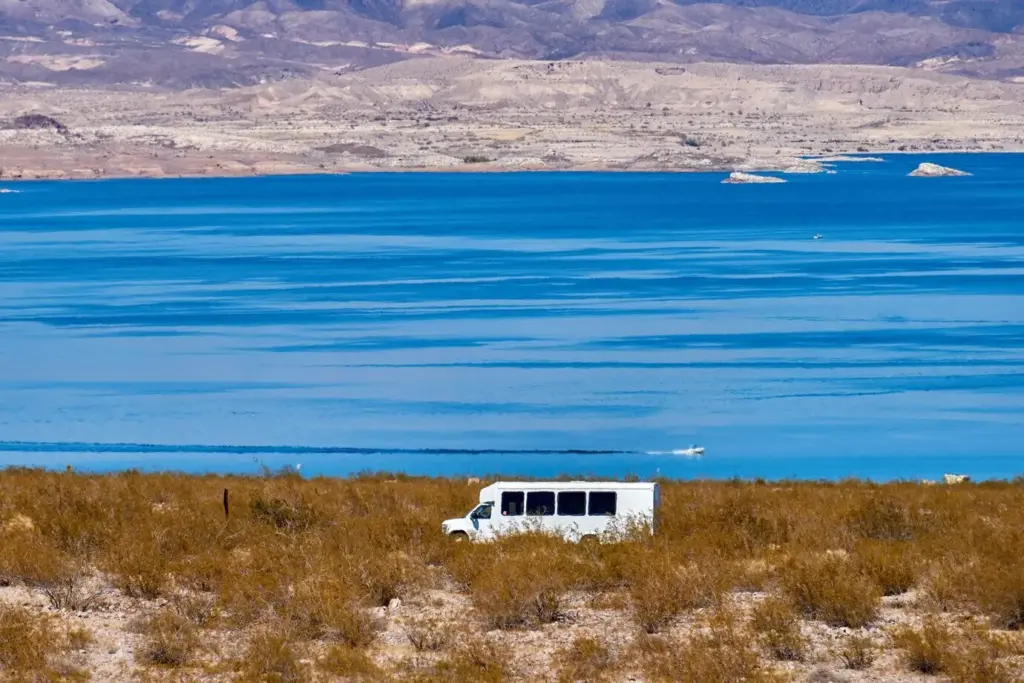
Embrace the fleet beyond the pier. In the Philippines, jeepneys and tricycles lace villages; in Indonesia, bemos hum between markets; in the Canaries, buses run surprisingly punctual mountain routes. Ask drivers for unscheduled stops, carry small bills, and learn route names aloud. These vehicles stitch communities together, and by riding them, you join the island’s living timetable rather than merely observing it.
Bicycles, Scooters, and Safe Riding Habits
Two wheels feel liberating, yet deserve care. Inspect brakes, lights, and tire pressure before committing to coastal descents. Wear helmets even on sleepy lanes, respect livestock, and slow for gravel corners. Signal politely and yield to buses squeezing cliff curves. Electric bikes extend range without sapping joy, while a tiny repair kit and reflective strap can salvage sunsets after unexpected punctures.
Walking Routes, Microadventures, and Timing
Walkable islands reward curiosity. Start early to beat heat, pack water, and chart shaded returns. Follow old donkey trails toward terraces, lighthouses, and ruined forts that seldom appear in glossy brochures. Time strolls to meet sunset ferries without rushing. Microadventures—a bakery detour, a beach cove scramble, a chapel bell pause—layer your itinerary with memories impossible to schedule yet easy to invite.



Sustainability, Budgets, and Good Manners Afloat
Lower‑Carbon Choices That Still Feel Luxurious
Pick regional loops rather than sprawling zigzags, choose slower vessels when time permits, and walk or cycle between ports. Book lodgings near terminals to avoid transfers. Luxury can be a quiet deck chair, fresh bread, and spray on your face. Celebrate comfort without waste, and spend savings on local crafts that travel lightly yet carry stories long after horizons fade.
Costs, Passes, and Payment Realities
Small expenses hide in plain sight: bike fees, port taxes, bag storage, and cabin upgrades during rough spells. Compare passes across fleets, yet run numbers honestly against pay‑as‑you‑go fares. Some rural kiosks prefer cash; keep small notes dry and handy. Annotate receipts daily to track trends, then share data with fellow travelers so everyone budgets smarter and splurges where joy multiplies.
Etiquette, Language, and Community Benefit
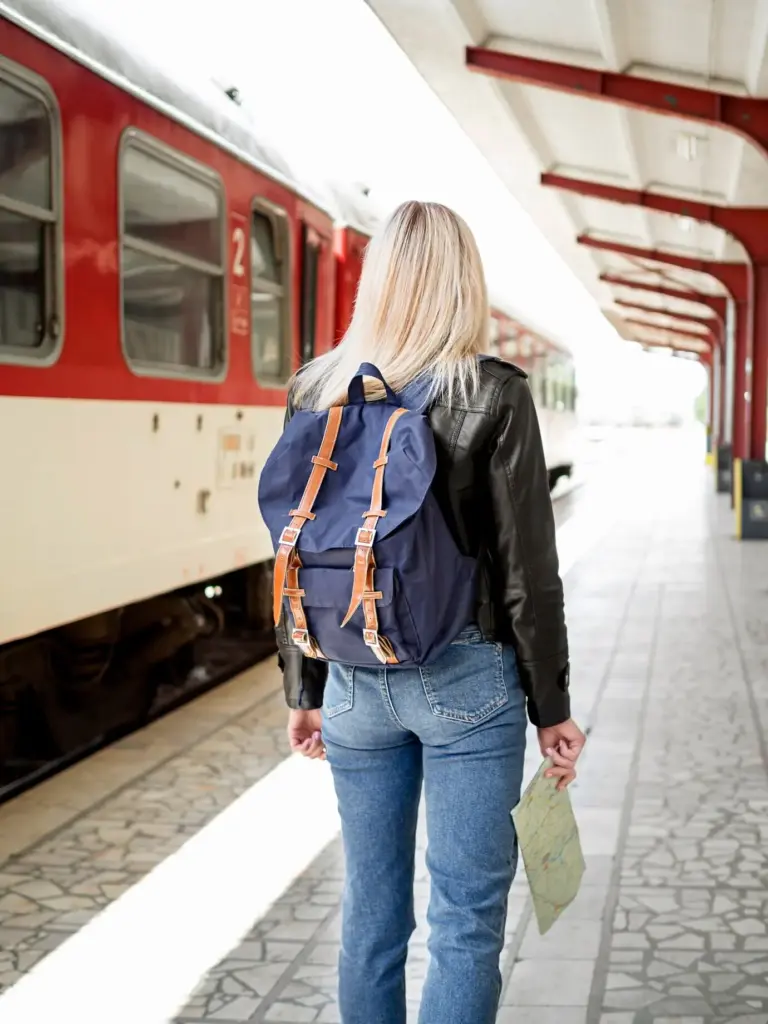
A few phrases—hello, thank you, beautiful harbor—open doors faster than tickets. Queue with patience, stow bags neatly, and let residents board first on school or market days. Avoid drones over quiet coves, minimize packaging, and ask before photographing people. Choose guides, homestays, and eateries that reinvest locally. Your presence carries weight; let it land gently, generously, and appreciatively.
All Rights Reserved.